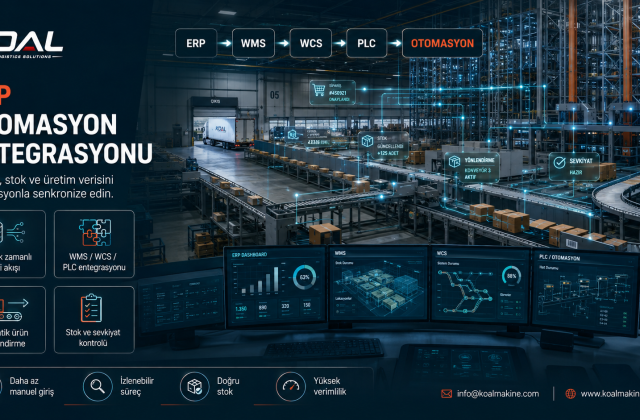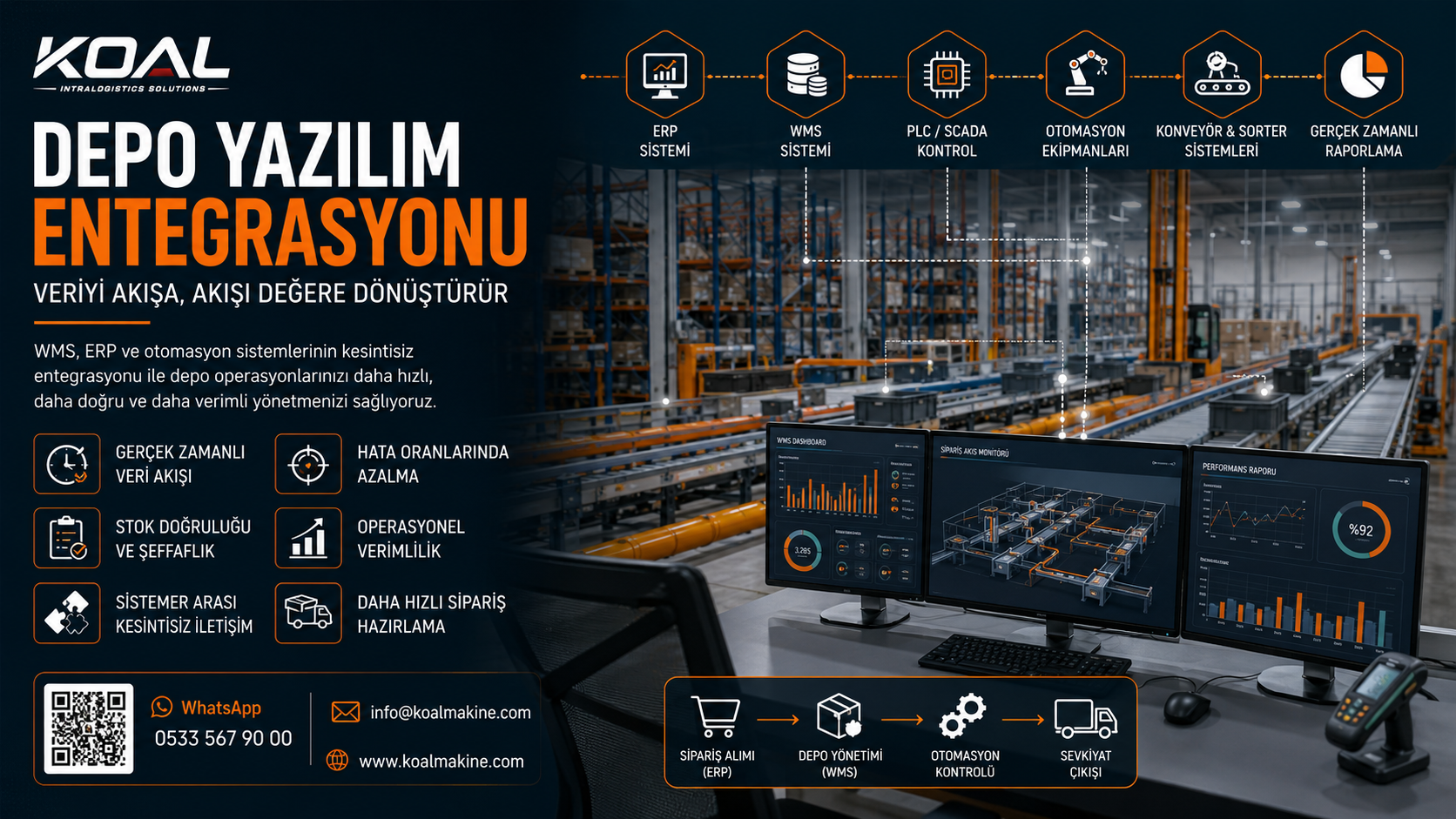
Warehouse Software Integration is the integration process that ensures that WMS, ERP, automation control systems and physical equipment used in the warehouse work together over a common data infrastructure. Nowadays, it is not enough to use only conveyors, sorters or automatic storage systems in warehouses with high order volumes. In order for these equipment to perform the right operation at the right time, operation data must be transferred uninterruptedly. Properly planned Warehouse Software Integration enables more controlled management of warehouse operations by connecting physical product movements and digital processes.
Many processes, from the order being placed in the system to the product leaving the warehouse, can be managed by different software. When there is no healthy data communication between systems, stock mismatches, misdirections and operational delays may occur. Integration infrastructure helps these systems work in coordination over common data.
Why is Warehouse Software Integration Important?
In modern warehouse operations, thousands of product movements can occur in a short time. Processes based on manual data entry increase the risk of errors as operational volume increases. Warehouse Software Integration reduces the need for manual operations by automatically transferring order, stock and product movement information between systems.
- It allows stock movements to be tracked more accurately.
- Reduces manual data entry.
- It speeds up order preparation processes.
- It ensures coordinated operation of automation equipment.
- It helps centrally monitor operational data.
- It supports faster detection of bottlenecks.
Thanks to the integration, warehouse managers can evaluate data from different parts of the operation together. This structure helps strengthen operational control, especially in high-volume distribution centers and e-commerce warehouses.
How Do WMS and ERP Systems Work Together?
WMS (Warehouse Management System) manages stock locations, product movements, order picking and shipping processes in the warehouse. ERP, on the other hand, controls the broader processes of the business, such as sales, purchasing, production, finance and inventory. The connection established between these two systems ensures that order information is automatically transferred to the warehouse operation.
For example, an order created via ERP can be sent to WMS system. After determining from which location the product will be picked up, WMS can create tasks for the relevant automation systems. When the process is completed, stock and order status can be transferred back to the ERP system. This way, different departments can work with up-to-date information.
Software Integration with Warehouse Automation Systems
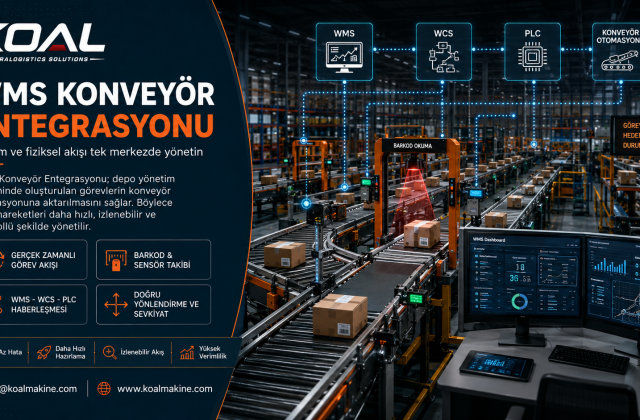
A successful Warehouse Software Integration does not only mean communication of different software platforms. Conveyors, sensors, barcode readers, PLC systems and other automation equipment also need to be included in the software infrastructure. In this way, tasks created in the digital environment can be transformed into physical product movements.
When a product on the conveyor is identified by the barcode reader, the software can determine to which point the product should move. The control system transfers this information to the relevant equipment and ensures that the product is automatically sent to the correct line.
The Role of Software in Sorter Systems
In warehouses with high order volumes, products must be separated into different orders, routes or shipping points. Warehouse Software Integration helps sorter systems make automatic decisions based on information coming through WMS.
Once the product is identified, the order or shipment information is checked and the sorter system automatically selects the relevant output. Thus, product movements become more controlled and traceable in high-volume sorting operations.
Software Integration in Automated Storage Systems
In order for automatic storage systems to operate with high performance, physical equipment must be managed with the correct software infrastructure. Warehouse Software Integration ensures that the processes that determine where the products will be stored, when they will be removed from the warehouse and to which operation point they will be sent are carried out in a coordinated manner. Thus, storage and product transfer operations can be managed within a single operation flow.
Especially in facilities with high product diversity, correct location management directly affects order preparation time. While the tasks created via WMS are transferred to automation systems, status information received from the equipment can also be sent back to the software. This two-way communication helps keep physical movements within the warehouse aligned with digital stock records.
Data Flow in Shipping and Loading Processes
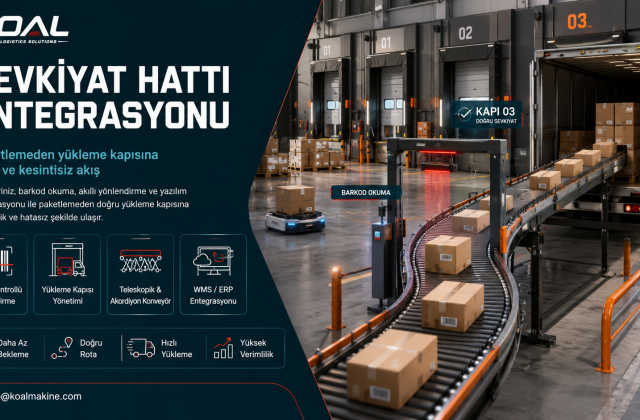
After order preparation is completed, the products must be transferred to the correct shipping area. At this stage, Warehouse Software Integration helps match order information with physical product movement. The parcel or package identified via the barcode can be directed to the relevant area according to the carrier, route or loading gate information registered in the system.
The collaboration of automation systems in the shipping area with warehouse software supports the prepared products to reach the loading point without unnecessary waiting. Different transportation solutions used in vehicle loading operations can also be included in the general automation infrastructure.
Real-Time Data Tracking and Reporting
In modern warehouse operations, it is important not only to move products but also to analyze the data obtained from these movements. Thanks to Warehouse Software Integration, stock status, order progress information, equipment performance and product movements can be monitored in real time.
The data collected provides operations managers with more detailed information about warehouse performance. Data can be provided for process development studies by analyzing hourly processing capacity, order preparation time, equipment usage rate, error records and density points. Thus, decisions can be based not only on guesses but on measurable information obtained from within the operation.
What Should Be Considered When Planning Warehouse Software Integration?
Since each business's warehouse structure and the software it uses are different, integration projects should not be implemented through a standard model. Existing WMS and ERP infrastructure, automation equipment, data transfer methods and operation capacity should be analyzed in detail at the beginning of the project.
- Examination of existing WMS and ERP infrastructure
- Determining the communication requirements of automation equipment
- Correct matching of product and order data
- Planning real-time data transfer
- Creating error and interruption scenarios
- System security and determination of user privileges
- Establishing infrastructure suitable for future capacity increases
Properly planned Warehouse Software Integration combines management systems such as WMS and ERP with physical warehouse automation in a common operation infrastructure. In this way, product movements can be managed more accurately, stock information can be kept up-to-date, and the progress of orders in the warehouse can be tracked more easily. A scalable integration infrastructure also makes it easier to integrate new automation equipment that the business will add in the future into the existing system.
You can contact us to get detailed information about warehouse software integration, WMS connections and intralogistics automation projects.
For international information on material handling and intralogistics technologies:
MHI – Material Handling Industry

Since 2010 we have designed, built, installed and serviced sorter and conveyor systems in Gebze. These articles draw on our field experience.