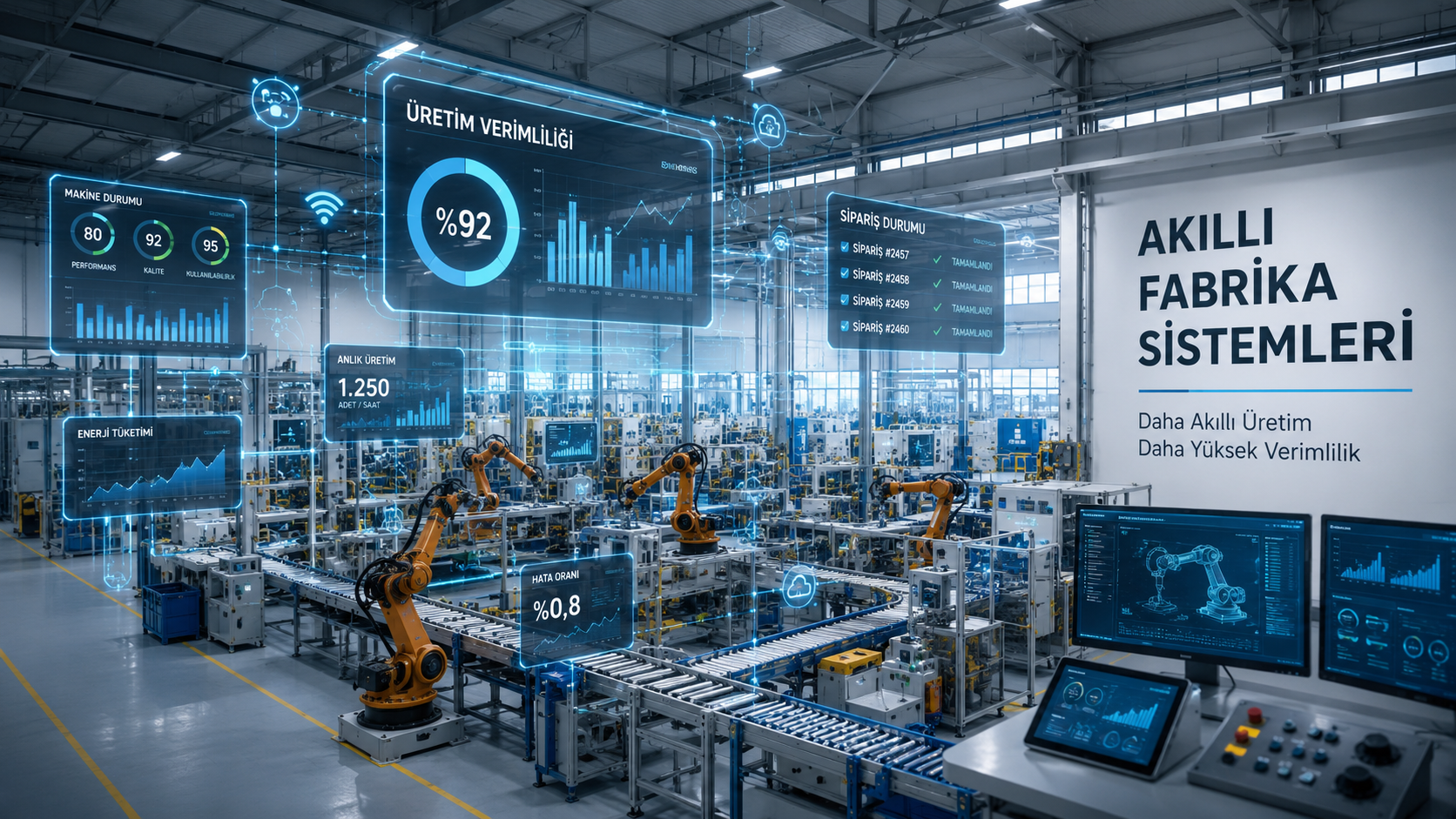
Smart Factory Systems are modern solutions that enable production processes to be optimized with digital technologies, automation infrastructures and data-oriented management approach. Today, due to increasing production volume, short delivery times and high quality expectations, businesses need systems that can produce faster, safer and more efficiently. For this reason, Smart Factory Systems have become an important investment not only in large-scale production facilities but also in medium-sized businesses aiming to grow.
Nowadays, where production processes do not consist only of machines, it is of great importance that products move along the production line, management of intermediate stocks, efficient use of storage areas and uninterrupted progress of shipping processes. At this point, thanks to automation solutions, all processes can be managed from a single center and operational efficiency can be increased significantly.
Why are Smart Factory Systems Important?
In sectors where competition is intense, maintaining quality while increasing production speed is critical for businesses. Smart Factory Systems monitor production processes in real time, ensuring a more controlled progress of operations. It also contributes to reducing human errors and optimizing resource use.
- Production times are shortened.
- Labor is used more efficiently.
- Product movements accelerate.
- Operation costs are reduced.
- Quality standards are maintained.
- Production capacity can be increased.
What Processes Do Smart Factory Systems Cover?
In modern factories, the production line and warehouse operations must work together. The uninterrupted movement of products from production to storage, from storage to shipment provides a significant advantage to businesses. Therefore, Smart Factory Systems offer integrated solutions that include not only production machines but also transportation, storage and logistics processes.
- Production planning
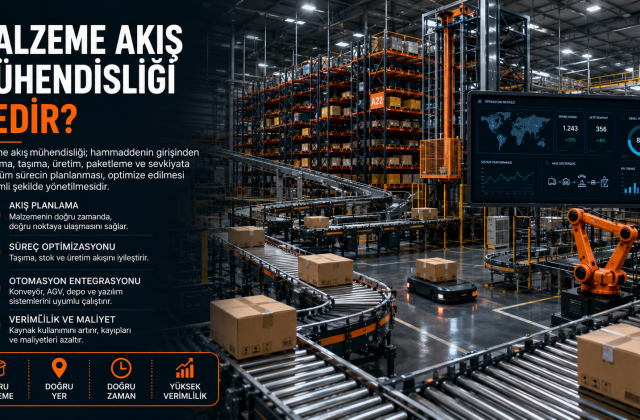
- Material flow management
- Storage processes
- Order preparation
- Shipment planning
- Real-time data tracking
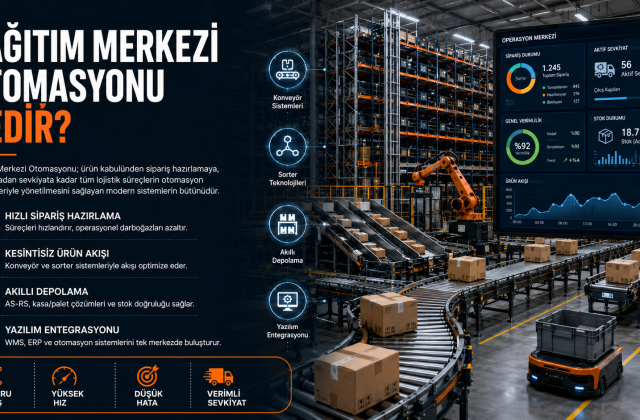
Uninterrupted Product Flow with Conveyor Systems
Conveyor systems play an important role in transporting products safely throughout the production line. While manual transportation methods cause loss of time, automatic transportation systems ensure uninterrupted production processes.
Thanks to the correctly planned conveyor infrastructure, waiting times on the production line are reduced, product flow is accelerated and continuity of operations is ensured.
The Importance of Automatic Sorting Technologies
In businesses that produce high volumes, directing products to the right point directly affects operational performance. Automatic sorting systems contribute to more efficient management of production and logistics processes.
These systems ensure that the products are directed to the correct line, increasing the operation speed and minimizing error rates.
Production Continuity with Smart Storage Systems
In order for production processes to proceed uninterruptedly, not only the production line but also the warehouse management must operate with the same efficiency. Smart Factory Systems work integrated with smart storage technologies and establish a strong connection between production areas and warehouse operations. In this way, it becomes easier to deliver products to the right point at the right time and waiting times on the production line are reduced to a minimum.
Especially in businesses with high product diversity, automatic storage solutions both optimize space usage and significantly reduce product access times.
At this point, the following solutions are among the important technologies that support production processes.
The Importance of Real-Time Data Management
In modern production facilities, physical automation alone is not enough. Real-time monitoring of production data enables early detection of possible bottlenecks. Thanks to Smart Factory Systems, managers can instantly monitor production performance, product movements and equipment usage rates.
Thanks to real-time data management, production planning can be made more accurately, maintenance processes can be planned in advance and unexpected downtimes can be prevented. This approach increases the competitiveness of businesses and also reduces operational costs.
Advantages of Smart Factory Systems for Businesses
Properly planned Smart Factory Systems not only increase production capacity but also make the entire operation chain of the business more efficient. By managing production, storage and shipping processes under a single structure, both time and cost advantages are achieved.
- Production capacity can be increased.
- The rate of human error is reduced.
- Product flow accelerates.
- Operation costs decrease.
- Warehouse and production integration is strengthened.
- Shipping processes proceed more regularly.
- Customer satisfaction increases.
You can contact us to get detailed information about Smart Factory Systems and industrial automation solutions.

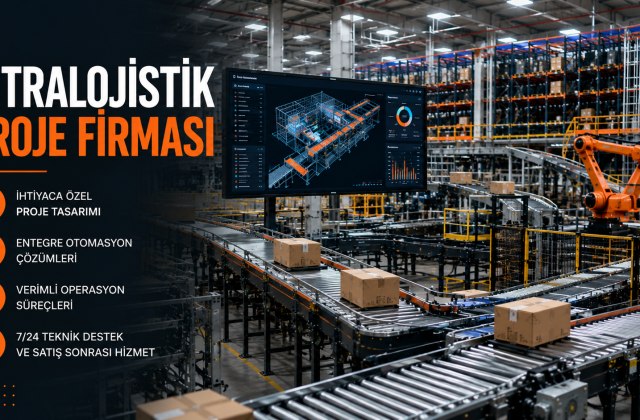
Since 2010 we have designed, built, installed and serviced sorter and conveyor systems in Gebze. These articles draw on our field experience.