What is Automated Warehouse?
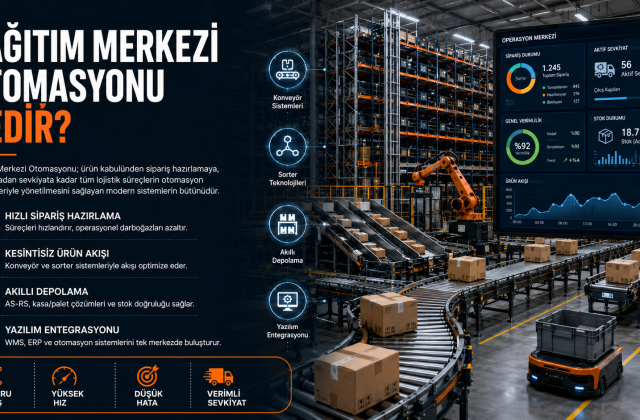
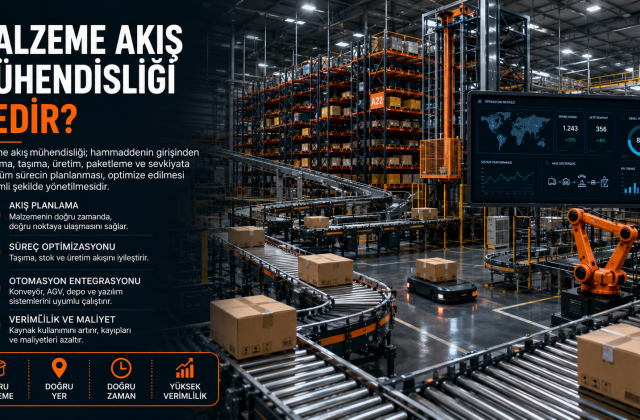
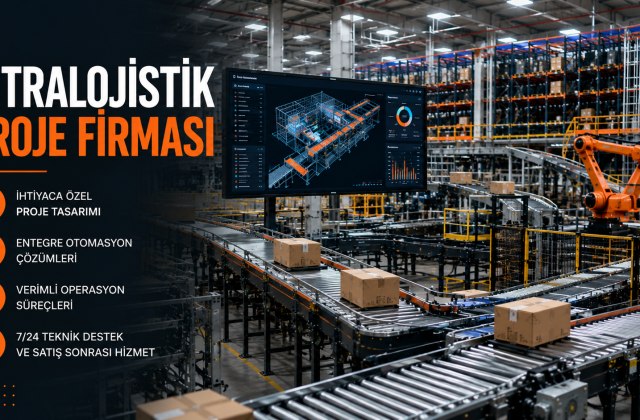
Automated warehouse logistics is the automation of moving inventory to and from consumers to and from warehouses with minimal human intervention. As a mechanization initiative, a business can reduce labor-intensive tasks such as repetitive physical labor and manual data entry and analysis.
For example, a warehouse worker can place large products onto an autonomous mobility robot. As the robot moves inventory from one end of the warehouse to the shipping area, the software tracks progress and keeps all records up to date. These robots increase the efficiency, speed, reliability and precision of the task.
On the other hand, warehouse automation does not always require a physical or robotic layout; In most cases, it simply refers to software that replaces manual processes.
Closing the Labor Gap
Increasing the commitment of warehouse employees to the workplace and ensuring that they work efficiently can be challenging for companies. Warehouse work seems monotonous, tiring and unpleasant; It requires constant movement over small or long distances.
By using automation in repetitive work areas, employees are freed to perform other value-added tasks, which is more motivating and paves the way for new employee promotion and employee productivity. It will not only increase employee morale but also improve performance.
Reducing Costs
Automatic warehouse automation can provide serious operations efficiency and time savings by working on a 24/7 basis, without being dependent on the working staff, such as absences caused by breaks and job losses occurring in indefinite periods. As a result, operations improve and become more efficient and costs decrease. This results in a leaner operation and allows the company to reduce waste and increase warehouse stock flow.
Automation can help companies look for innovative ways to reduce costs related to product damage, labor and health and safety incurred in the field. Reduces damage to infrastructure by using high-precision scanners and sensors
Maintaining Operations with Limited Workforce
Automation improves order fulfillment in distribution centers by integrating and synchronizing tools, robots, people, and procedures. For example, let's say employees are restricted from being physically present in the warehouse or encourage them to work from home, as happened during the Covid19 pandemic. Automated warehouse logistics allows companies to manage sites and technology remotely and continue their operations with fewer personnel on site.
In addition, thanks to the user-friendly interfaces used in the systems, even people without technical expertise can operate robots and other automation system components.
Reducing the Risk of Accidents
Due to the crowded work environment where forklifts and workers frequently pass each other, the potential for collisions and damage is high, and personnel may be exposed to workplace accidents.
Automation systems in the warehouse are built with safety in mind and reduce the risk of work accidents by replacing manually operated forklifts and similar stacking machines. Sensors and security scanners used in these systems constantly monitor the area for threats. When a sensor detects a potential threat, it comes to a complete stop to avoid colliding with it.
Sustainability
Sustainability is a priority for almost every company, and retail and logistics are no different. Managers can achieve their goals with warehouse management solutions and other warehouse automation technologies.
Analytics, condition monitoring, and smart warehouse management systems help decision makers better control warehouse resource usage, optimize space utilization, and incorporate key environmentally friendly practices such as recycling into operations.
Less Warehouse Space
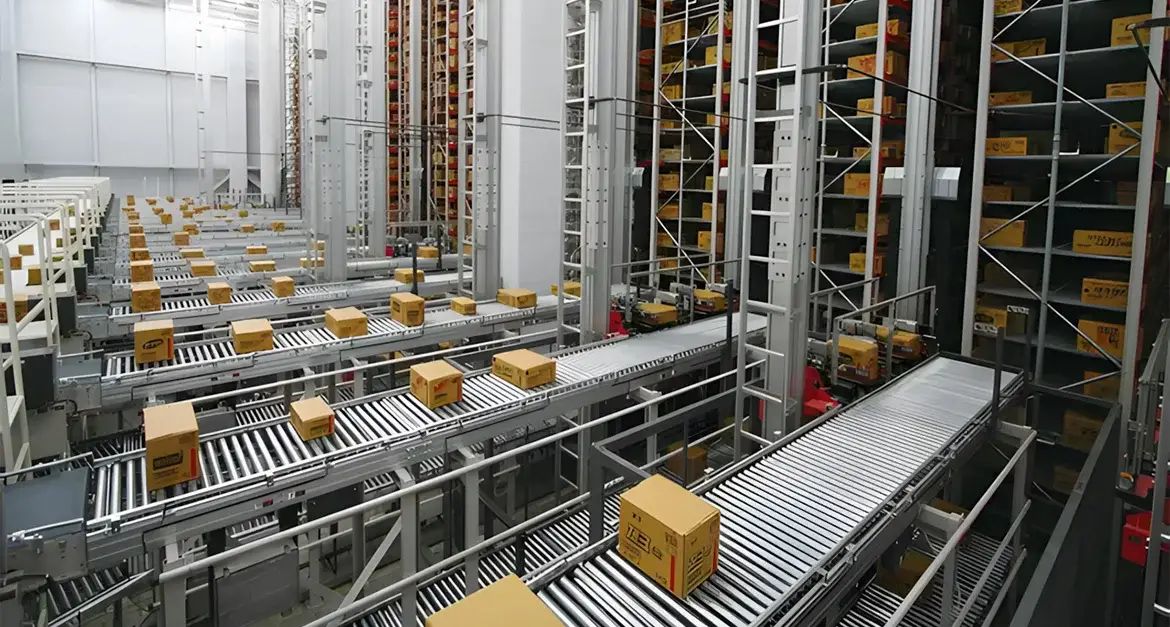
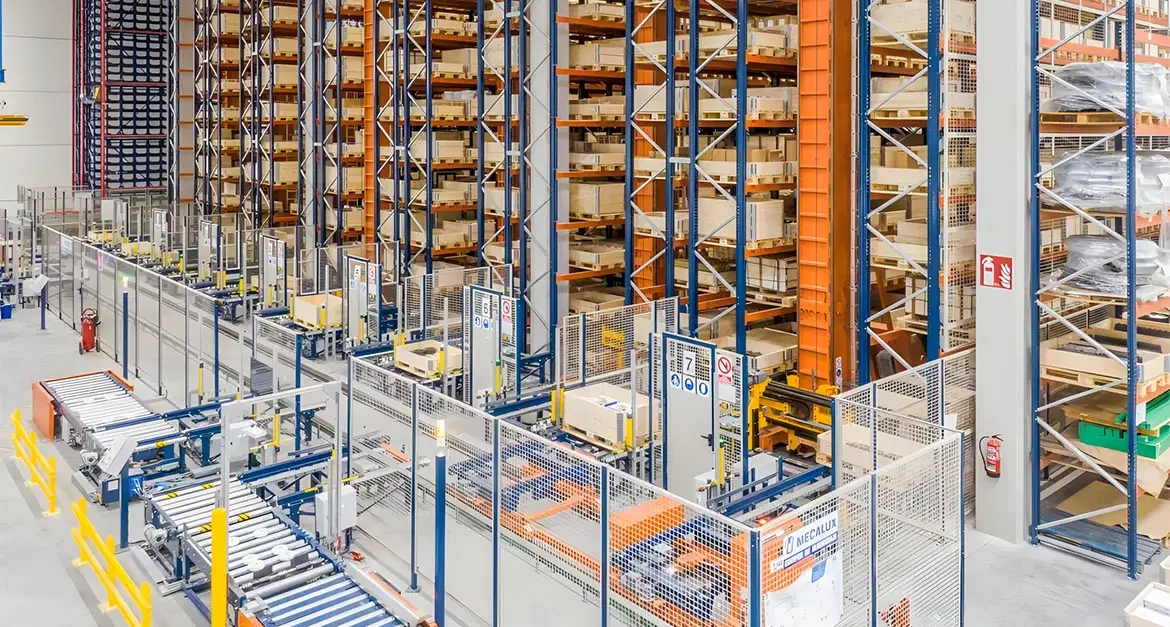
According to research, warehouses with automated logistics can use up to 40% less space than traditional warehouses. These warehouses achieve this in two ways: Since the automation systems in the warehouse do not require as much space as the employees, they work highly efficiently in narrow spaces and this does not narrow the existing corridors and space, and they stack higher because the robots can go to places (higher) where humans cannot go.
Working Faster and Reducing Errors
Automated warehouses shorten shipping times and reduce customer order times, allowing orders placed during working hours to be shipped on the same day. It will provide companies with increased revenue by reducing operating costs. It will provide paperless, on-line operation management. It will increase the stock capacity thanks to the ability to use the existing stock capacity effectively and the ability to use narrow corridors and vertical storage. It ensures the effective use of machinery and manpower, the decision-making process is carried out by the system, thus preventing errors in the decision-making phase and saving time. Its main feature is the integration of independent production modules that communicate with each other autonomously with the help of various information systems. People only play a supporting role in the production process.
last word
The future of business depends heavily on automation. Of course, nothing can replace the human factor, but the advantages of using such software are constantly increasing. New features help small, medium and large businesses operate more efficiently every year.

Since 2010 we have designed, built, installed and serviced sorter and conveyor systems in Gebze. These articles draw on our field experience.